

DLT (Digital Linear Tape)
Invented by Digital Equipement Corporation and acquired by Quantum.
DLT (Digital Linear Tape)
Invented by Digital Equipment Corporation in 1984, this technique was acquired by Quantum Corporation in 1994. Since then, it has become one of the most popular and widely used backup formats in the industry.
DLT, or Digital Linear Tape, is a magnetic storage technology used for backing up and archiving data. It is based on the use of a linear magnetic tape, where data is recorded and read sequentially.
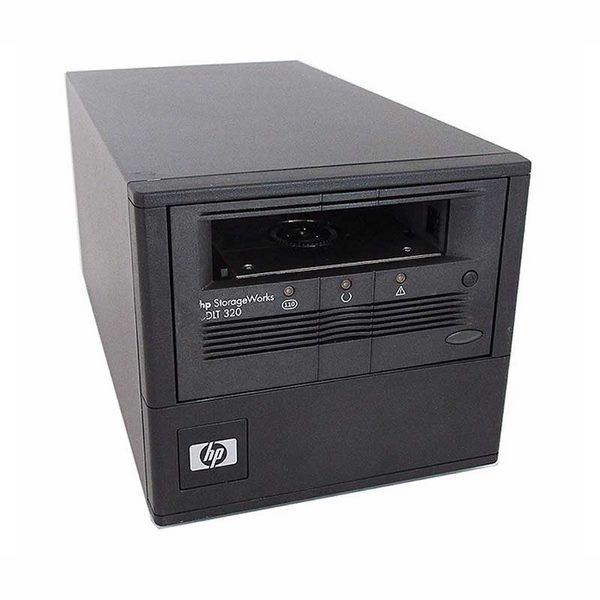
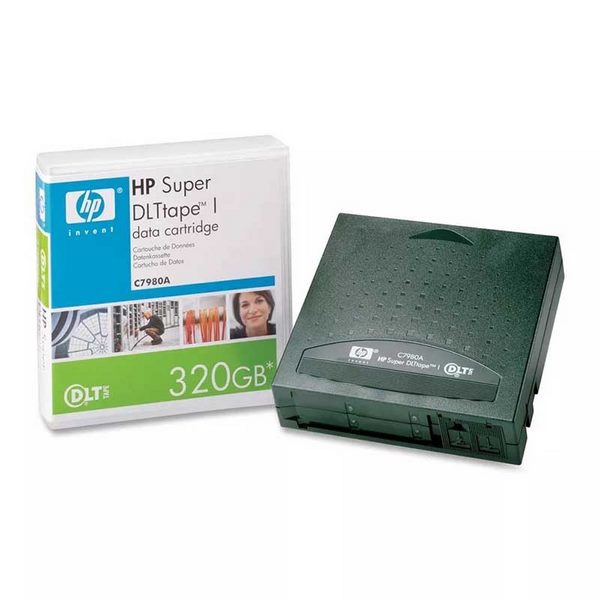
A higher-capacity variant was subsequently developed under the name Super DLT (SDLT).
In terms of capacity, DAT drives and the first DLT are equivalent. However, DLT stands out with a longer lifespan of the read/write heads. This means that DLT drives are designed to provide long-term performance and reliability, making them a preferred choice for applications that require intensive and continuous use.
DLT drives are equipped with six guides that ensure smooth tape movement. These guides ensure excellent contact between the tape and the read/write heads, reducing the risks of read or write errors and ensuring optimal backup quality.
DLT is a widely used magnetic storage technology that offers a reliable and efficient solution for data backup and archiving. With the introduction of the SDLT variant, the DLT format has been improved in terms of head management and storage capacity. DLT drives are known for their long lifespan of the read/write heads and consistent performance, while the integrated guides ensure smooth operation of the magnetic tape.
DLT standards
The DLT standard uses a specific method to record data on the magnetic tape. The data is written using two parallel tracks that span the entire length of the tape.
When the read/write head reaches the end of a track, it resumes recording on the next track, but in reverse direction. This means that the data is recorded using both sides of the tape. This method offers several advantages, including better utilization of storage space and an increase in read and write speed.
By employing this approach, the DLT standard allows for greater storage capacity on a single magnetic tape. By grouping two tracks on each pass of the head, it is possible to double the recording density compared to traditional methods. This enables storing more data on a tape of the same size, which is particularly beneficial for applications requiring high-capacity backups.
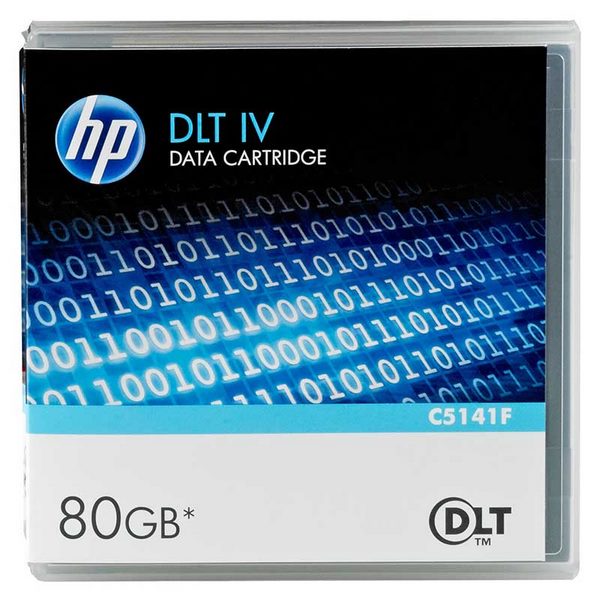
DLT tape models
Common failures of DLT tapes
The most common situations we handle in the laboratory.
Magnetic tape degradation
The magnetic oxide of the DLT tape deteriorates over time. The six internal guides in the drive can also cause premature wear if the tape transport is not optimal.
DLT drive failure
Worn read/write heads, tape tension issue or drive mechanism failure. Old DLT drives are increasingly difficult to find in working condition.
Tape jam or breakage
The tape jams or breaks in the drive mechanism. DLT cartridges use single-reel winding which makes manual extraction difficult when jammed.
Software incompatibility
The original backup software is no longer available or incompatible with current systems. Extraction requires knowledge of specific DLT formats (DLT-III, DLT-IV, VS).
Accidental overwrite
A DLT cartridge accidentally reused or a misconfigured backup job. Recovery is possible as long as the tracks have not been completely overwritten.
Environmental damage
Exposure to heat, humidity or magnetic fields. DLT cartridges are robust but remain sensitive to prolonged storage in uncontrolled environments.
Frequently asked questions
Our specialists answer the most common questions.
How much does DLT tape data recovery cost?
The price depends on the complexity of the case. Diagnostic analysis is free and delivered within 3 hours. A precise quote is provided to you before any intervention.
I no longer have a compatible DLT drive, can you help me?
Yes, this is one of the most frequent cases. Our fleet of drives covers all DLT formats, even the oldest ones. We read and extract your data without you needing any hardware.
Which DLT standards do you recover?
We recover all DLT standards: DLT-III, DLT-IIIXT, DLT-IV, DLT-VS (DLT1) and DLT-V4. Our laboratory has the compatible streamers for each generation.
The price depends on the complexity of the case. Diagnostic analysis is free and delivered within 3 hours. A precise quote is provided to you before any intervention.
Yes, this is one of the most frequent cases. Our fleet of drives covers all DLT formats, even the oldest ones. We read and extract your data without you needing any hardware.
We recover all DLT standards: DLT-III, DLT-IIIXT, DLT-IV, DLT-VS (DLT1) and DLT-V4. Our laboratory has the compatible streamers for each generation.