

DAT (Digital Audio Tape)
A basic format used by audiophiles.
DAT (Digital Audio Tape)
DAT (Digital Audio Tape) originated as a digital cassette format for audio files. It was developed by Sony in the late 1980s with the aim of replacing traditional audio cassettes. DAT introduced significant improvements over analog tapes, offering better sound quality and greater storage capacity.
In partnership with HP, Sony also developed the DDS (Digital Data Storage) standard based on DAT technology. Although the physical mechanism is similar, the data encoding differs, allowing DAT to be used for digital data storage purposes.
Initially, the DAT format competed with other backup systems such as DLT (Digital Linear Tape) and LTO (Linear Tape-Open). These formats provided alternatives for data backup and archiving, but DAT stood out due to its native compatibility with audio files.
The DAT format utilizes two different tape types. DDS (Digital Data Storage) is the most commonly used format, offering storage capacities of several gigabytes. DataDAT, on the other hand, is a less widespread format that provides greater storage capacity and improved performance compared to DDS.
Despite the initial popularity of DAT in the audio industry, the advent of more advanced digital storage formats such as hard drives and flash media has gradually reduced its usage. However, DAT is still used in specific domains where audio quality and backward compatibility are crucial, such as professional recording, music production, and sound archives.
The DAT format was developed to provide an enhanced digital audio backup and storage solution compared to analog cassettes. It also evolved into the DDS standard for digital data storage. Although faced with competition from other backup formats, DAT continues to be used in specific fields where its audio quality and native compatibility are important factors.
DDS tapes
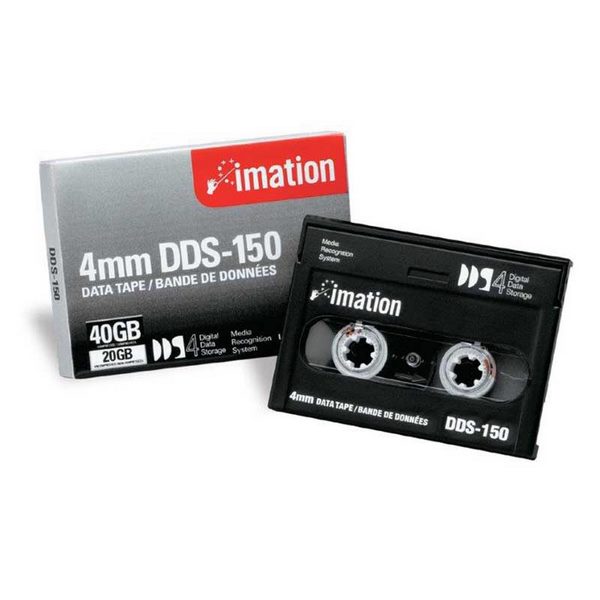
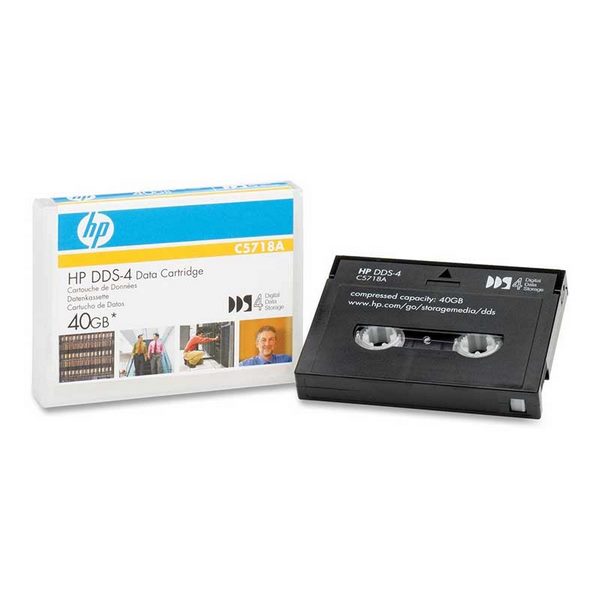
The DDS (Digital Data Storage) format is originally used with 3.8 mm format tapes. These tapes offer a reliable and cost-effective storage solution for data backup. The DDS format was developed in the 1990s as an alternative to traditional magnetic tapes, providing improved storage capacity and enhanced performance.
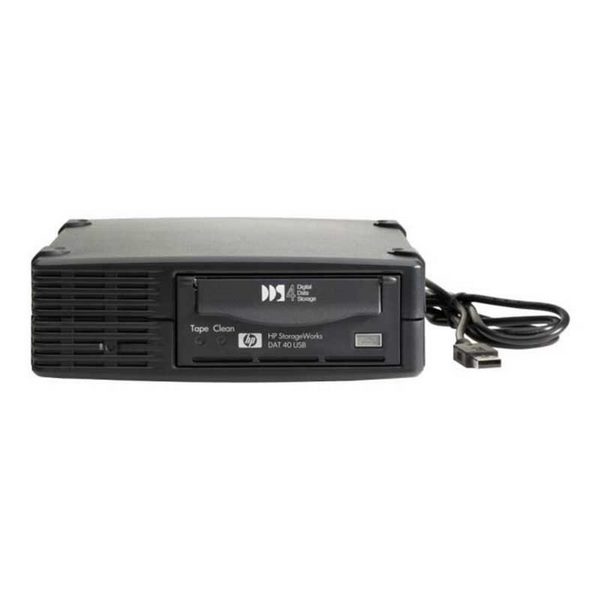
DDS tapes are designed to be used with DDS drives, which are specifically designed to read and write on these tapes. DDS drives are available in various capacities, ranging from the early DDS-1 models offering a storage capacity of a few gigabytes to newer versions like DAT 160 and DAT 320, which offer higher capacities.
DDS tapes are also known for their durability and reliability. They are designed to withstand various environmental conditions and provide protection against physical damage. This makes them an attractive option for long-term data backup and archiving.
In summary, DDS tapes were initially used with DDS drives for data backup. They offer reasonable storage capacity and compatibility across generations of DDS drives. However, with the advancement of storage technologies, their usage has declined, although they remain a reliable option for long-term preservation of critical data.
DAT tape generations
Common failures of DAT tapes
The most common situations we handle in the laboratory.
Magnetic tape wear
DAT/DDS tapes use a very thin 3.8 mm format, particularly sensitive to ageing. The magnetic oxide degrades over time, causing block-level read errors.
DAT/DDS drive failure
Dirty or worn helical scan heads, faulty rotating drum. DAT drives use a delicate rotating mechanism that requires regular maintenance.
Tape jam or wrinkling
The thin tape (3.8 mm) is fragile and wrinkles easily during a jam in the mechanism. An abrupt stop or forced ejection of the drive worsens the damage.
Unreadable backup format
The original backup software is no longer available or the version is incompatible. Proprietary formats (tar, cpio, NTBackup) require specific expertise for extraction.
Accidental overwrite or reuse
A DAT tape accidentally overwritten during an automatic backup job. Partial recovery remains possible if the entire tape has not been rewritten.
Age-related degradation
DAT tapes are often more than 15 years old. Humidity, heat and magnetic fields gradually degrade the signal. The sooner intervention happens, the better the chances.
Frequently asked questions
Our specialists answer the most common questions.
Is the diagnostic free?
Yes. The diagnostic analysis is free and delivered in less than 3 hours upon receipt of your tape. It determines the nature of the failure and the exact cost of the data recovery.
My DAT tape is very old, is that a problem?
No. We regularly process DAT tapes that are more than 20 years old. The aging of the magnetic oxide is one of our specialties. The sooner you entrust the tape to us, the better the chances of recovery.
Which DAT/DDS formats do you support?
We support all DAT formats: DDS-1, DDS-2, DDS-3, DDS-4, DDS-5, DAT 72 and DAT 160. Our range of streamers covers all of these standards.
Yes. The diagnostic analysis is free and delivered in less than 3 hours upon receipt of your tape. It determines the nature of the failure and the exact cost of the data recovery.
No. We regularly process DAT tapes that are more than 20 years old. The aging of the magnetic oxide is one of our specialties. The sooner you entrust the tape to us, the better the chances of recovery.
We support all DAT formats: DDS-1, DDS-2, DDS-3, DDS-4, DDS-5, DAT 72 and DAT 160. Our range of streamers covers all of these standards.