
The Digital Rescue Blog

The blog that reveals the technological secrets behind data recovery.

The Digital Rescue Blog

Shadow IT and Shadow AI: The Invisible Risks Threatening Your SME

Shadow IT and Shadow AI: The Invisible Risks Threatening Your SME

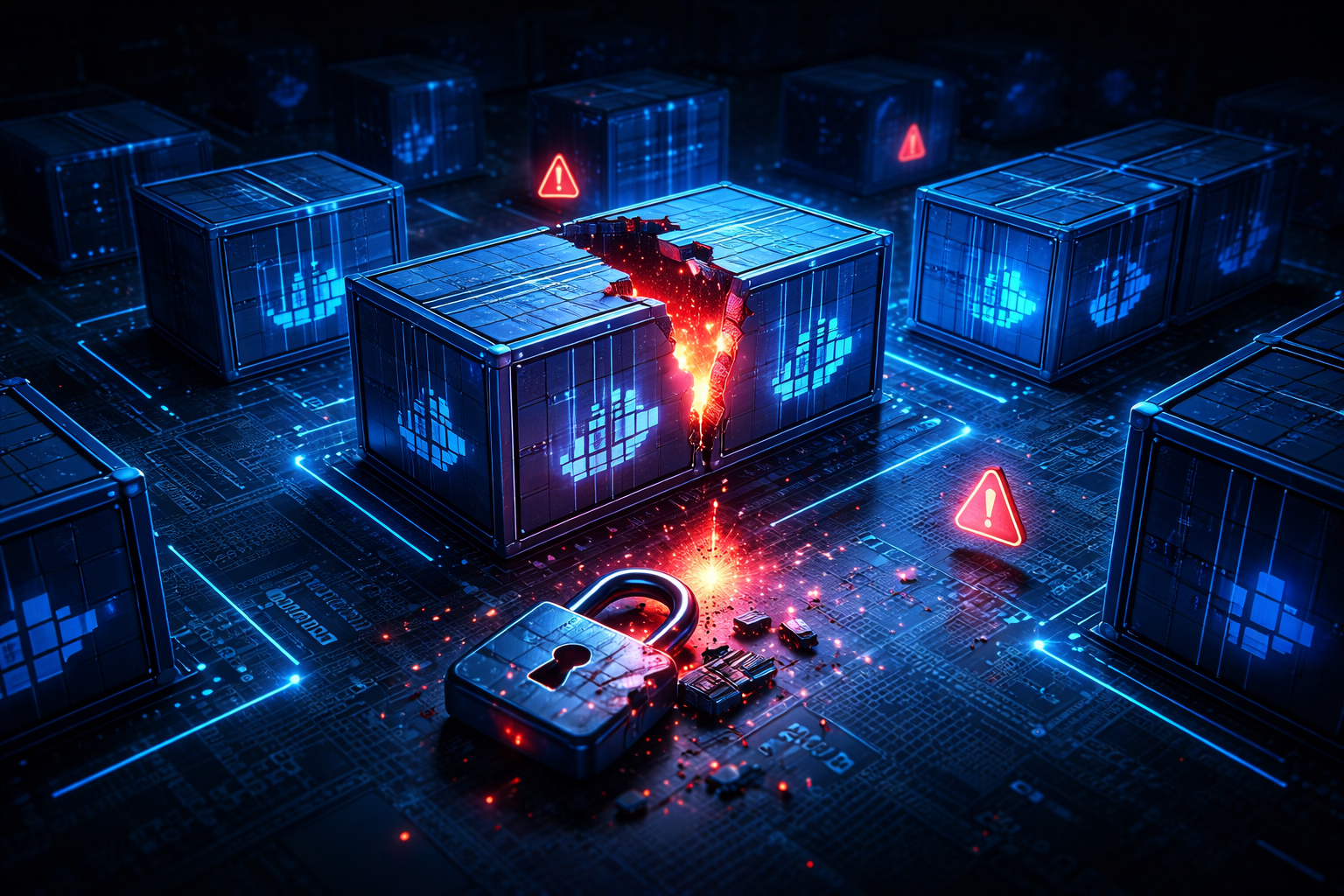
Shadow IT refers to the unauthorized use of digital tools within a company — and its variant, Shadow AI, is now one of the main sources of data leaks for Swiss SMEs. Every time an employee copies customer data into ChatGPT or stores files on their personal Dropbox, your sensitive data escapes all control. Discover the concrete risks associated with the revised Federal Act on Data Protection (nLPD) and the American Cloud Act, and the sovereign solutions to regain control without hindering the productivity of your teams.

Complete Shadow IT / Shadow AI guide for Swiss SMEs: nLPD risks, Cloud Act, sovereign solutions (Euria, kDrive, Proton Drive, SwissTransfer) and practical governance.

Daily Digital Hygiene: 7 Essential Practices for Every Employee

Daily Digital Hygiene: 7 Essential Practices for Every Employee

Digital hygiene refers to the daily habits that protect a company from cyber threats—without requiring technical training. Here are the 7 essential practices that every employee in a Swiss SME can adopt today to significantly reduce the risk of cybersecurity incidents.

Why Swiss SMEs Need to Enable Automatic Updates

Why Swiss SMEs Need to Enable Automatic Updates

Automatic updates are the simplest and most effective cybersecurity measure to protect your Swiss SME: a one-time setup of just a few minutes is enough to block cyberattacks that exploit known vulnerabilities. According to the National Cyber Security Centre (NCSC), 60% of cyber incidents affecting Swiss SMEs exploit unpatched software flaws. Discover how to configure this essential protection without disrupting your daily operations, with solutions tailored to the realities of Swiss SMEs and the requirements of the revised Federal Act on Data Protection (nLPD).

BYOD in Business: How to Protect Your SME When Employees Use Personal Devices

BYOD in Business: How to Protect Your SME When Employees Use Personal Devices

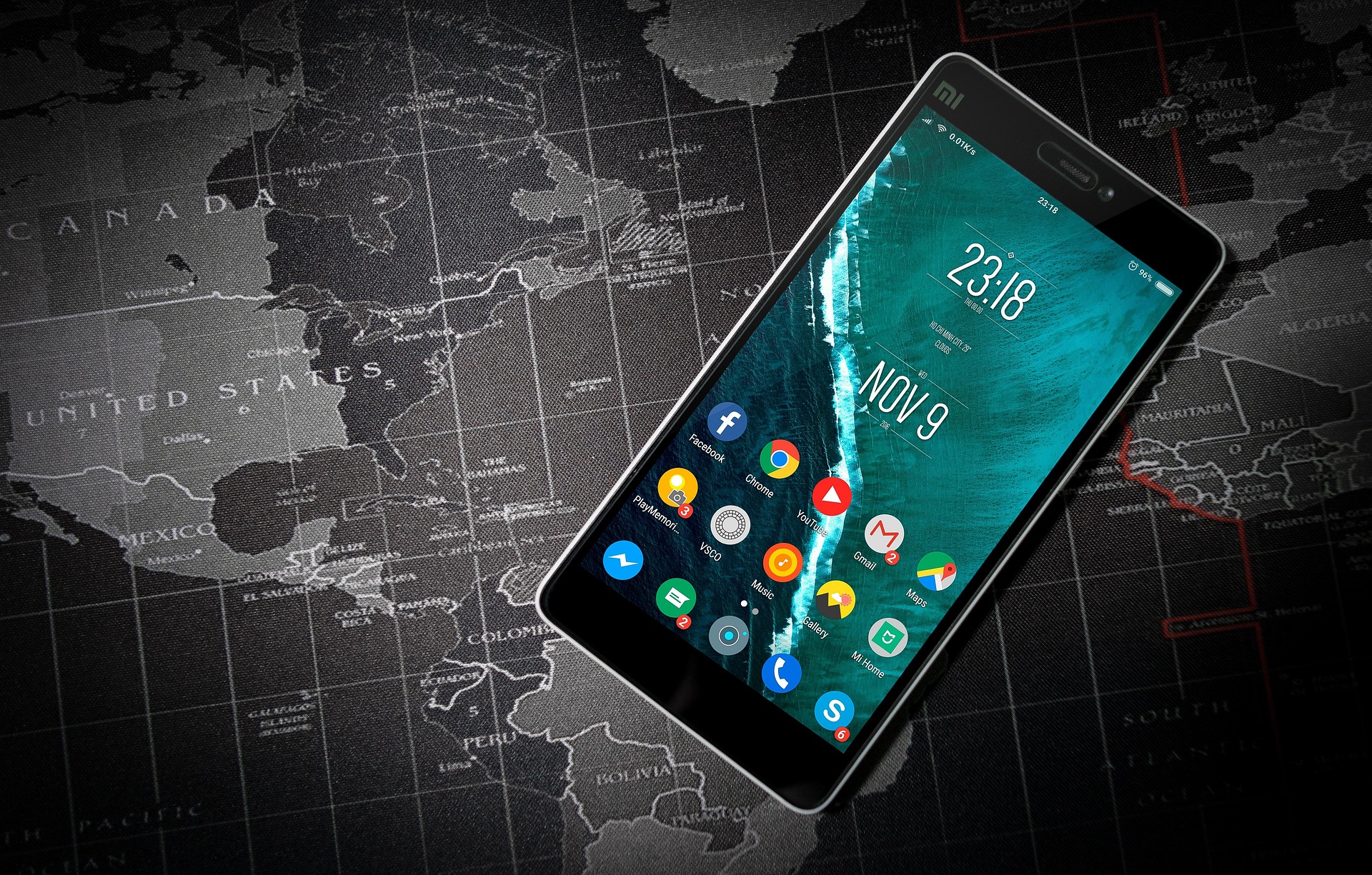
BYOD (Bring Your Own Device) refers to the practice of employees using their personal smartphones, tablets, and computers for professional purposes. According to the Allianz Risk Barometer 2024, cyber incidents are the number one risk for businesses, and unregulated BYOD is a major vector.

For Swiss SMEs, the concrete consequences of an inadequate BYOD policy include: customer data leaks, violations of the nLPD (new Federal Data Protection Act, in force since September 2023), rebound cyberattacks, and business interruptions.

This practical guide explains how to effectively manage BYOD with five accessible measures: define a clear policy, protect devices, separate professional and personal data, control access, educate your teams, and plan for emergencies. Concrete advice, without technical jargon, to protect your business without overcomplicating things.

Key Takeaways

  • Unregulated BYOD is a major vector of cyber incidents for SMEs
  • A written BYOD policy reduces the risk of data breaches by 60% (Ponemon Institute, 2023)
  • The nLPD imposes strict obligations in the event of personal data leaks
  • Swiss solutions (Infomaniak, Proton) ensure data sovereignty
  • Implementing two-factor authentication (2FA) blocks 99.9% of automated account attacks (Microsoft, 2023)

Backup Security Plan for SMEs: Why It's Essential

Backup Security Plan for SMEs: Why It's Essential

A backup security plan is a set of documented procedures that ensures the availability, integrity, and rapid restoration of an SME's critical data in the event of an incident. According to the Veeam Data Protection Trends 2024 report, 76% of companies experienced at least one major data-related outage in the past 12 months — and those without a tested backup plan took an average of 3 times longer to resume operations.

For an SME, adopting such a policy protects the company's reputation, ensures regulatory compliance (GDPR, Swiss nLPD which came into force in September 2023), and maintains customer trust. It's a measurable strategic choice: according to Gartner (2023), the average cost of unplanned downtime reaches CHF 8,500 per hour — a risk that a structured plan helps to avoid.

Bexxo by SOS Data Recovery: Proactive Cybersecurity Services to Protect Your Clients End-to-End

Bexxo by SOS Data Recovery: Proactive Cybersecurity Services to Protect Your Clients End-to-End

Bexxo is the new proactive and preventative cybersecurity entity from SOS Data Recovery, specializing in security audits, vulnerability testing, and anti-phishing training. Building on SOS Data Recovery's proven expertise in security circumvention and encrypted data recovery, Bexxo offers IT providers a strategic complement with no direct competition—covering the entire data lifecycle, from prevention to recovery.

PhishTrainer: The Phishing Simulation Platform Developed and Hosted in Switzerland

PhishTrainer: The Phishing Simulation Platform Developed and Hosted in Switzerland

Phishing is the attack technique behind more than 90% of cyber incidents in companies (Verizon DBIR, 2024). Every day, thousands of Swiss and European organizations are targeted by fraudulent emails aimed at stealing credentials, financial data, or deploying malware. Technical solutions alone—anti-spam, firewalls—are no longer sufficient against increasingly targeted attacks. PhishTrainer transforms your employees into the first line of defense with ultra-realistic phishing simulations, designed and hosted exclusively in Switzerland, in compliance with the Swiss legal framework on data protection.

Understanding RAID Systems: A Comprehensive Guide to RAID 0, 1, 5, 6, and JBOD

Understanding RAID Systems: A Comprehensive Guide to RAID 0, 1, 5, 6, and JBOD

A RAID (Redundant Array of Independent Disks) system is a storage virtualization technology that combines multiple physical disks (SATA, SCSI, SAS, or SSD) into a single logical volume, simultaneously providing data protection and performance optimization. It is one of the most cost-effective solutions for securing your data in a professional or home environment.

Depending on the RAID level chosen, this technology allows you to tolerate the failure of one or more disks without data loss. The most common levels—RAID 0, RAID 1, RAID 5, and RAID 6—meet different needs in terms of capacity, speed, and redundancy.

Key point: A RAID system does not replace a backup. It protects against hardware failure, but not against accidental deletion, ransomware, or physical disasters.

Recognizing Counterfeit Memory Cards

Recognizing Counterfeit Memory Cards

A counterfeit memory card operates on the same principle as any other counterfeit product – it resembles another product, but isn't what it appears to be. Many sellers offer simple 8 GB memory cards while claiming they are 64 GB cards. Any data exceeding the actual 8 GB capacity will be lost.

The PLUS of SOS Data Recovery

  • Swiss leader of Data recovery

  • Extranet Follow-up

  • Security copy of the device

  • Secure offices

  • Data encryption on request

  • Storage in a safe

  • Monitoring of the parcels

  • Over 20 years of experience

  • Confidentiality

Helpline
WhatsApp Msg : +41 79 807 04 94
SMS : +41 79 807 04 94